Why the 23-mile average matters for home charging decisions
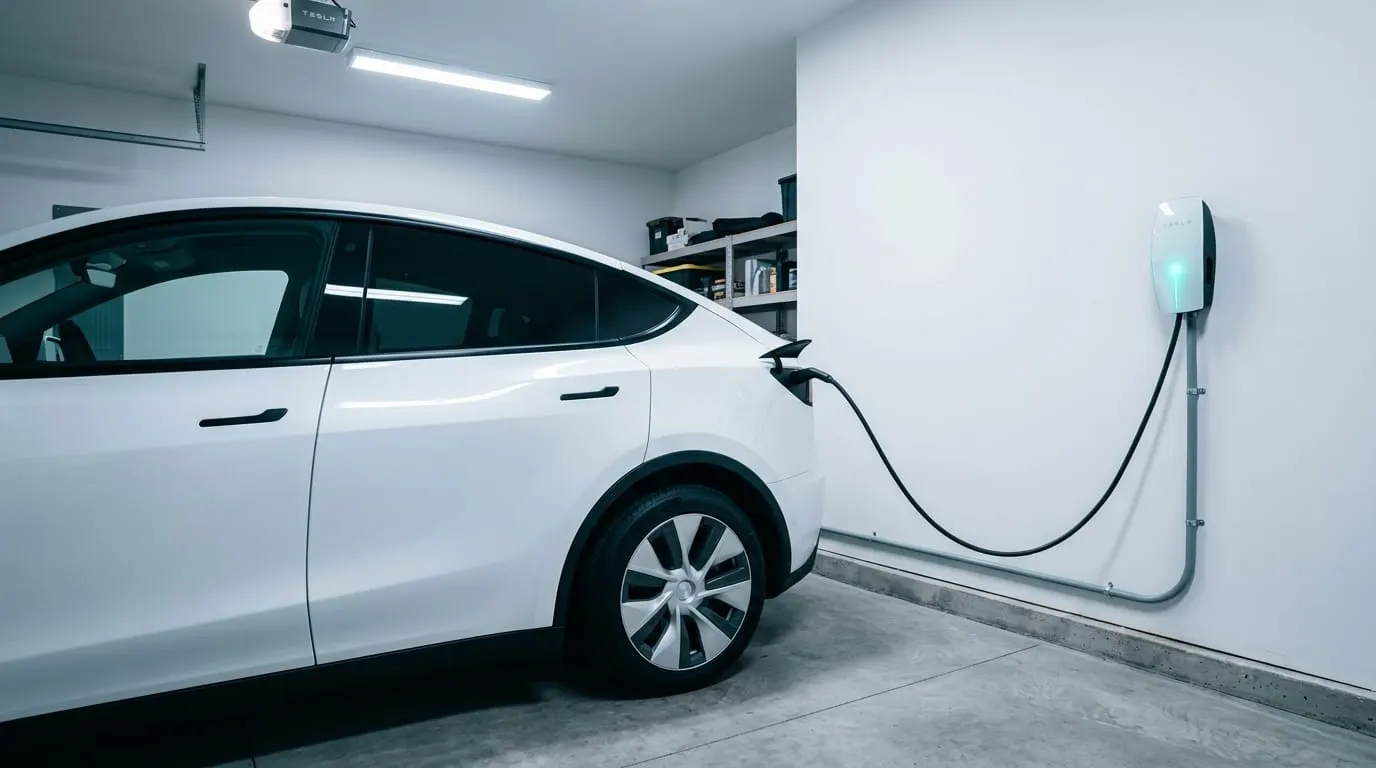
For a commuter driving approximately 23 miles per day, a Level 2 home charger at 25 miles of range per hour adds more than a full day's driving back in under two hours. That means a car parked from 6pm to 6am is fully recovered long before the owner needs it, without any schedule management. Level 1 charging at 5 miles per hour restores only about 40 miles in that same window — workable for a 23-mile commute on a normal day, but with almost no margin for errands, cold weather, and schedule variation.
- Level 2 at 25 miles per hour recovers 23 miles of range in under one hour of overnight charging.
- Level 1 at 5 miles per hour recovers 23 miles in about 4.5 hours — workable but without weather or schedule buffer.
- The margin matters more than the average — a day with extra driving can make Level 1 miss if the car is not plugged in promptly.
The payback math on a Level 2 installation
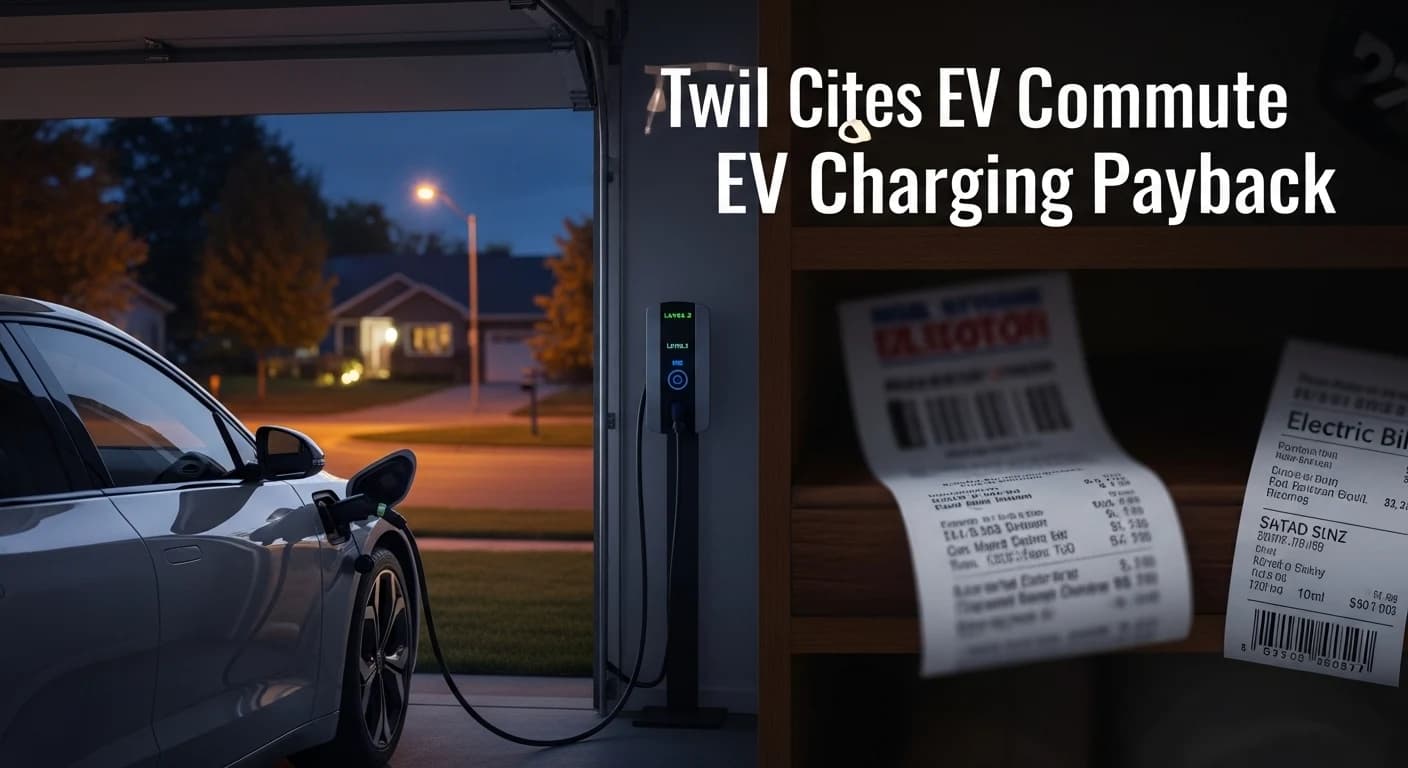
Home EV charging at residential electricity rates is significantly cheaper than public charging per mile. A Twin Cities commuter who uses public charging to supplement a slow home setup pays a public rate premium on a meaningful percentage of their miles. Eliminating that premium through a Level 2 installation creates a cost benefit that compounds monthly.
- Xcel Energy's TOU-E overnight rate is lower than daytime rates — scheduling overnight charging reduces the per-mile energy cost.
- The difference between home charging cost and public Level 2 cost per mile can be significant across hundreds of charging sessions per year.
- A Level 2 installation cost divided by monthly public charging savings typically yields a payback period measured in months to a few years for regular commuters.
Which Twin Cities commute patterns benefit most
Commuters with predictable round trips in the 15 to 40 mile range are the strongest candidates for Level 2 installations. The car comes home with meaningful range used, parks for a long overnight window, and leaves fully recovered the next morning without the owner needing to think about charging at all.
- Suburb-to-downtown commuters in Eden Prairie, Plymouth, Minnetonka, and Edina typically drive 18 to 35 miles round trip — ideal for Level 2 overnight recovery.
- Commuters who charge at work as well as at home need lower daily home charging volume — a moderate Level 2 circuit is usually more than enough.
- Commuters who drive irregular mileage benefit most from Level 2's larger recovery buffer.
When Level 1 is still a workable starting point
For commuters under 15 miles round trip who park for long overnight windows, Level 1 may cover daily needs with margin. The case for staying on Level 1 is strongest when the car rarely needs to leave again the same evening and when a second car is available for longer-range errands.
- A 10-mile daily commute needs only 2 hours of Level 1 charging to recover — well within most overnight windows.
- Level 1 becomes less comfortable as daily mileage increases, weather gets colder, or schedule variation grows.
- Most owners who start on Level 1 do so temporarily — plan for Level 2 before the schedule changes rather than after.
Practical steps for Twin Cities commuters planning an installation
A commuter who knows their daily mileage and parking situation has most of the information needed to plan a Level 2 installation. The remaining inputs are panel capacity and garage layout.
- Note the round-trip commute distance and any typical errand miles to establish the daily energy need.
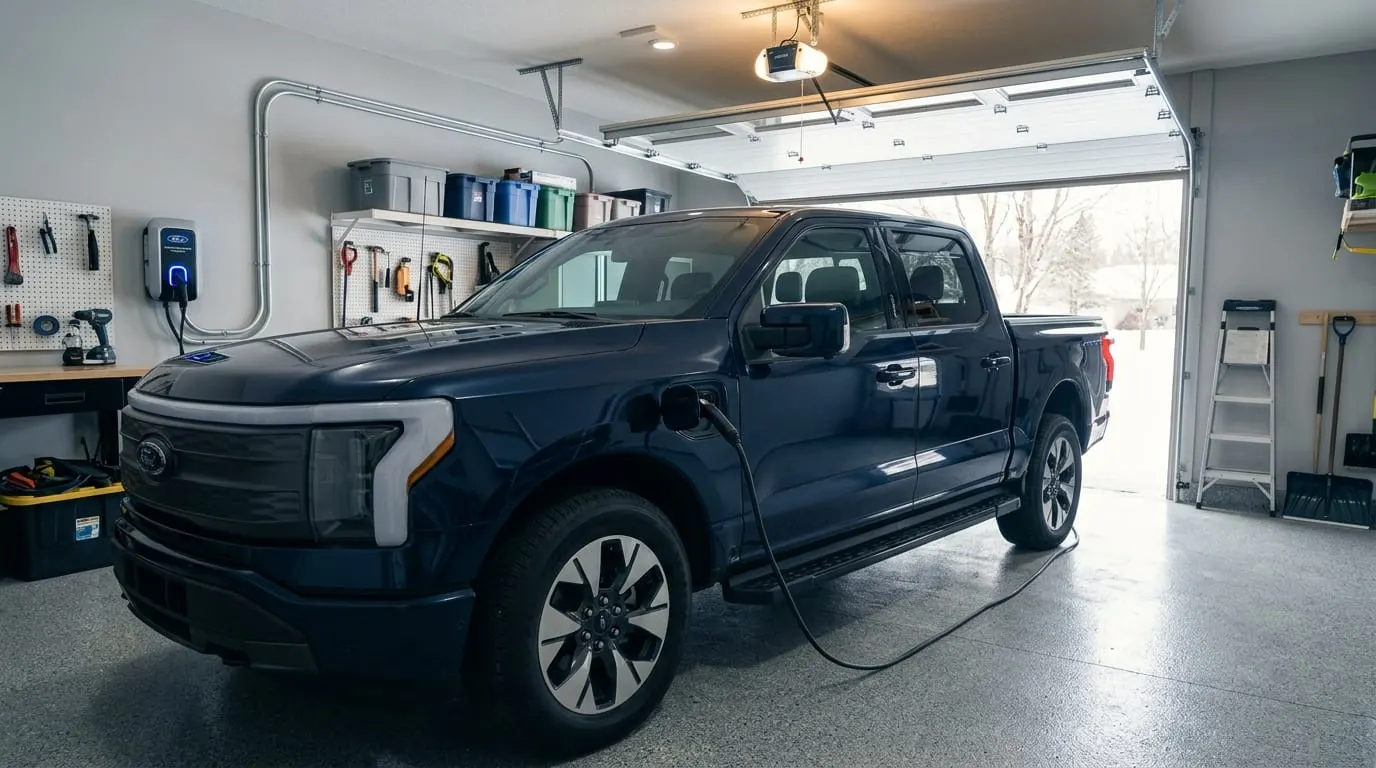
- Photograph the panel, the garage wall where the charger would mount, and the conduit path between them.
- Contact an installer at least three to four weeks before vehicle delivery — permit processing and scheduling can take two to three weeks in most Twin Cities jurisdictions.
Next step
Ready to plan your install?
Validate panel capacity, circuit path, and mounting location before installation day. Get a clear scope in writing.