Which utility serves your Twin Cities address
Three major utilities cover most of the Twin Cities metro. Xcel Energy is the largest, serving Minneapolis, St. Paul, and most of the inner ring suburbs. Dakota Electric Association serves communities in the southern metro including Burnsville, Rosemount, Farmington, Apple Valley, and Lakeville. Connexus Energy serves the northwest metro including Maple Grove, Osseo, Rogers, and parts of Minnetonka and Plymouth. Rebate eligibility, eligible equipment lists, and submission processes differ across all three.
- Check your monthly electric bill — the utility name and account type determine your rebate options.
- Some addresses near service boundaries may qualify for a different program than neighbors a few streets away.
- Municipal utilities in some cities operate separate programs with distinct terms.
Xcel Energy's EV charger program
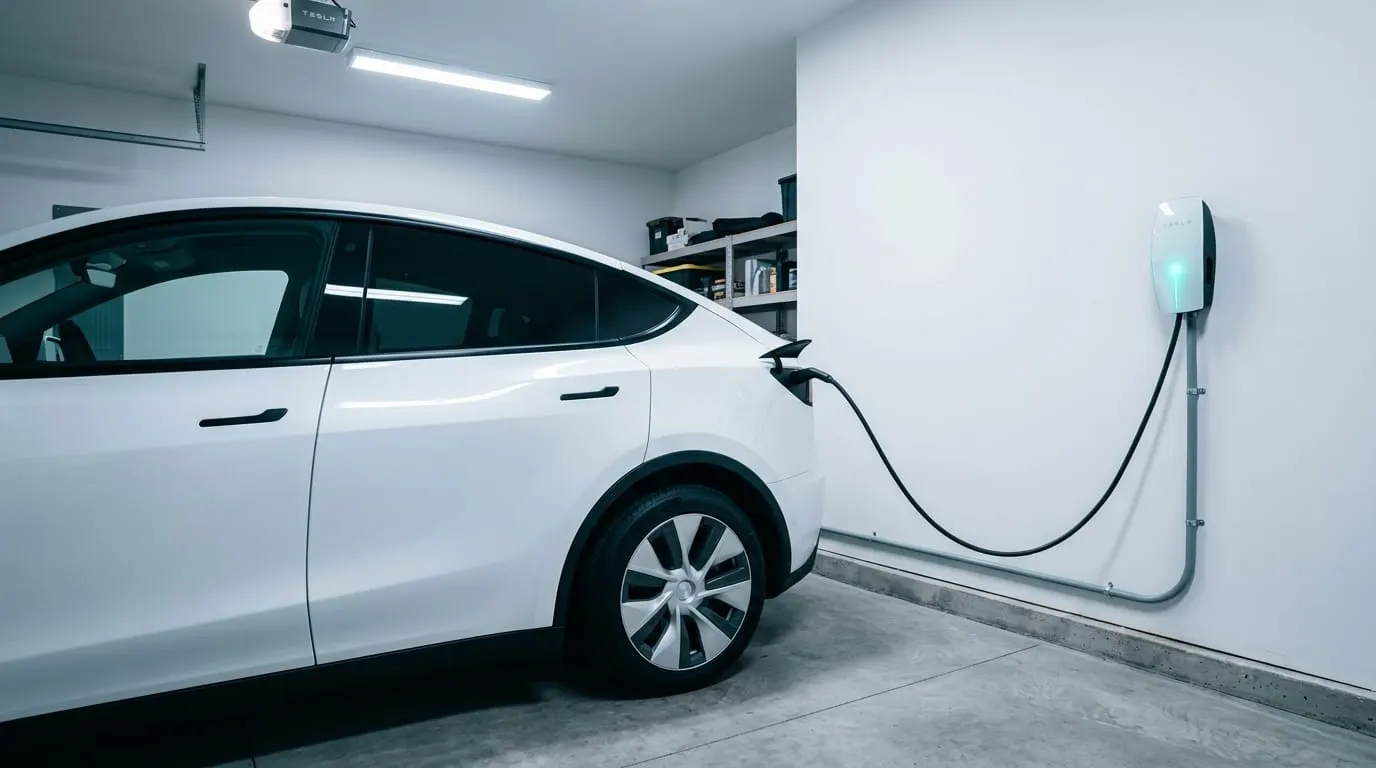
Xcel Energy offers residential EV charger rebates to customers in their Minnesota service territory. The program typically includes a rebate for qualifying Level 2 EVSE equipment. Some options include enrollment in an EV rate schedule like the Optimum EV TOU-E rate, which offers lower overnight electricity rates for customers who charge during off-peak hours. Xcel periodically updates program terms and equipment lists, so confirming current details before installation is important.
- Xcel rebates generally apply to qualifying Level 2 charger hardware installed by a licensed electrician.
- The TOU-E rate option can reduce the per-kilowatt-hour cost of overnight charging.
- Submit the rebate application promptly — programs run on funding cycles and can close before the calendar year ends.
Dakota Electric Association's EV program
Dakota Electric Association offers a separate rebate structure for members in their service territory. Because Dakota Electric is a cooperative rather than an investor-owned utility, program terms and rebate amounts can differ meaningfully from Xcel. Members may also qualify for cooperative-specific rate programs tied to EV charging. Homeowners in Burnsville, Rosemount, Farmington, and surrounding communities should check the current Dakota Electric program before assuming Xcel terms apply.
- Dakota Electric members should confirm rebate amounts directly, as cooperative programs can differ from investor-owned utility programs.
- Rate schedule options for EV charging may be available for cooperative members.
- The equipment eligibility list may differ from Xcel — confirm before purchasing hardware.
Connexus Energy's EV program
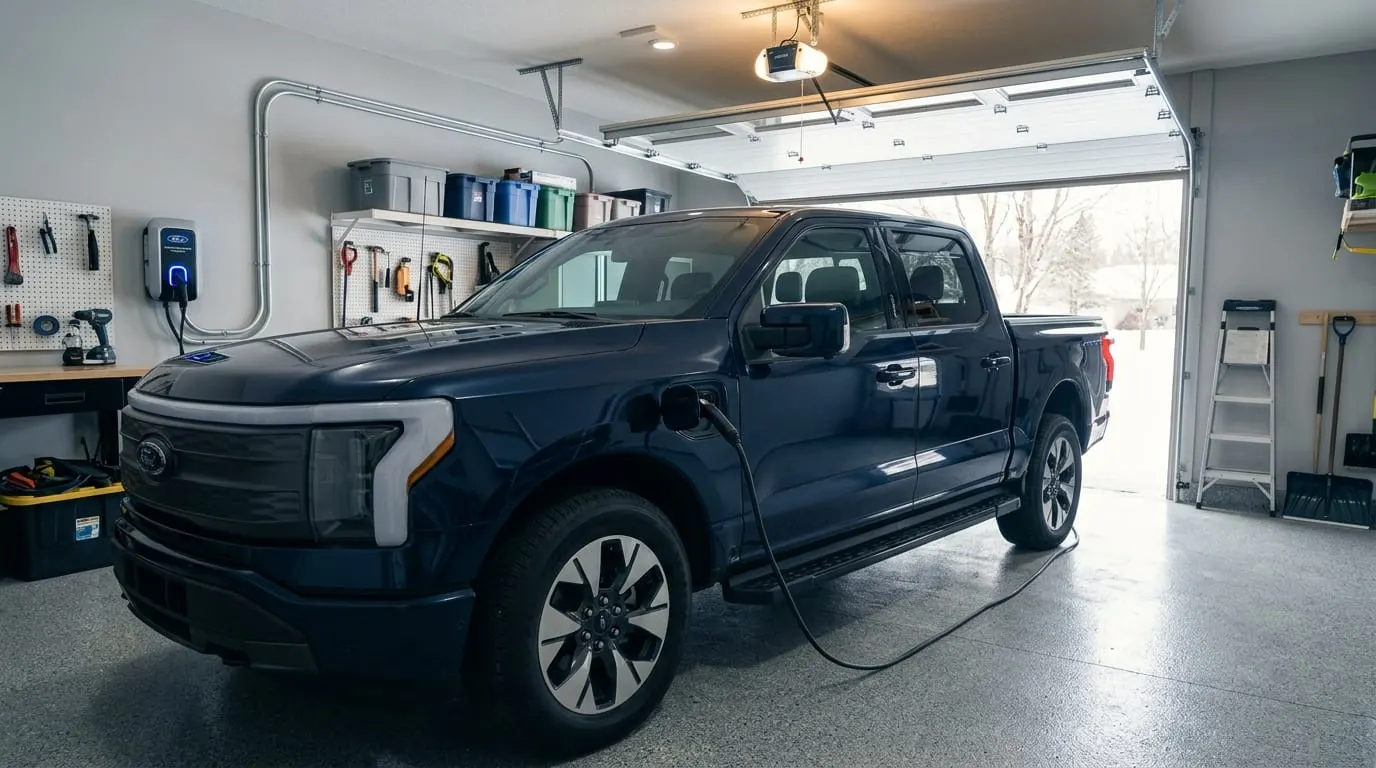
Connexus Energy serves northwest metro communities including Maple Grove and portions of Plymouth and Minnetonka. Like Dakota Electric, Connexus is a cooperative and operates its own rebate and rate programs independently from Xcel. Maple Grove homeowners who assume they are on Xcel are often surprised to find they are on Connexus. The rebate amount, approved equipment, and submission process are all governed by the Connexus program.
- Connexus members can verify their utility and rebate eligibility through the Connexus member portal.
- The cooperative structure means Connexus rebates may be structured differently from investor-owned utility programs.
- Connexus serves several fast-growing communities with high new construction rates — many homes are strong candidates for straightforward Level 2 installs.
How to maximize both the utility rebate and the federal credit
The federal 30C residential clean energy credit applies to qualifying EV charger installations at a primary or secondary residence. This credit can be combined with a utility rebate to reduce the net cost of a Level 2 installation significantly. The combined benefit depends on the charger cost, installation cost, utility program amount, and the homeowner's tax situation.
- Confirm the federal 30C credit eligibility with a tax professional before installation.
- Keep receipts, permit documentation, and charger model information — both rebate and tax credit require documentation.
- Utility rebates are generally not counted as taxable income, but verify the interaction with the federal credit with your tax preparer.
Next step
Ready to plan your install?
Validate panel capacity, circuit path, and mounting location before installation day. Get a clear scope in writing.