The baseline numbers for a Twin Cities commuter
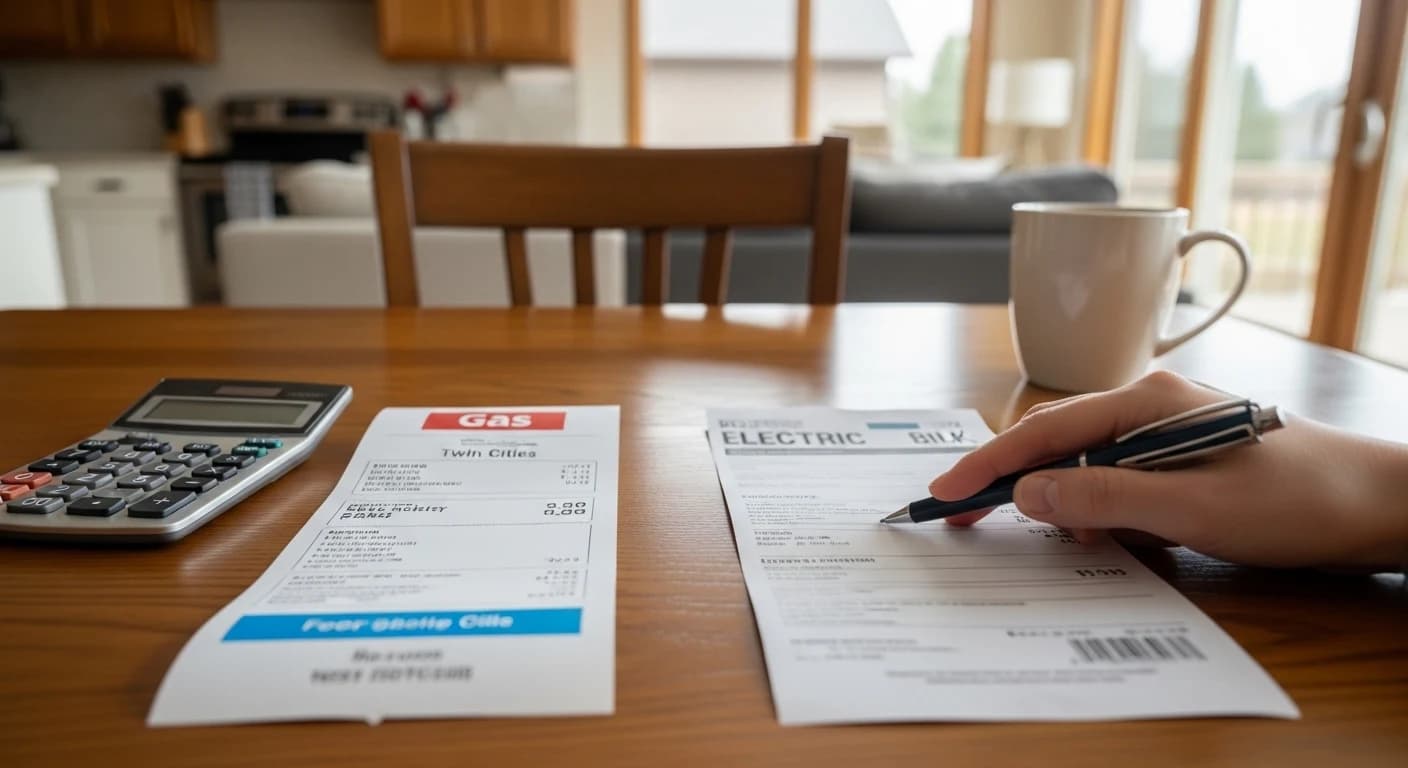
Gas at $3.20–$3.50 per gallon (Twin Cities average, spring 2026) costs a driver of a typical 30 MPG car roughly 11–12 cents per mile. A car with 25 MPG pays closer to 14 cents. Home electricity through Xcel Energy at the standard residential rate runs approximately 12–14 cents per kilowatt-hour. A mid-size EV using 3.5 miles per kWh costs about 3.5–4 cents per mile to charge at home.
- Gas car at 28 MPG, $3.35/gallon: ~12 cents per mile.
- EV at 3.5 mi/kWh, 13¢/kWh Xcel rate: ~3.7 cents per mile.
- The gap: EV home charging costs roughly 3× less per mile than gas in the Twin Cities today.
What Xcel's EV rate does to the math
Xcel Energy's TOU-E (Time of Use for EVs) rate lowers overnight electricity to off-peak pricing for customers who enroll. Charging between 9 pm and 9 am at a lower rate can push the per-mile cost down further — in some cases closer to 2.5 cents per mile. The tradeoff is scheduling discipline: the car needs to charge during the off-peak window consistently.
- TOU-E off-peak rate (approx. 7–9¢/kWh) drops EV cost to roughly 2–2.5 cents per mile.
- Enrollment requires qualifying Level 2 equipment and a separate meter or smart charger.
- For a 23-mile average daily commute, the annual savings vs. gas can exceed $400–$600 depending on the vehicle.
Why public charging changes the equation
The 3–4 cent figure only holds for home charging. Public Level 2 charging in the Twin Cities typically runs 25–35 cents per kWh, which brings EV cost per mile closer to 7–10 cents — still below gas, but the advantage narrows. DC fast charging at 40–50 cents per kWh can approach or exceed gas costs for fuel-efficient vehicles.
- Home Level 2: ~3–4 cents/mile — the strongest case for a home charger.
- Public Level 2: ~7–10 cents/mile — better than gas, but the gap shrinks.
- DC fast charging: ~11–14 cents/mile — comparable to or worse than a fuel-efficient gas car.
The annual math for a typical Twin Cities commuter
A commuter driving 23 miles per day, 250 working days per year covers roughly 5,750 commute miles annually — plus weekends and errands, call it 12,000–15,000 miles per year total.
- At 12 cents/mile (gas, 28 MPG, $3.35/gal): $1,440–$1,800/year in fuel.
- At 3.7 cents/mile (home Level 2, standard rate): $444–$555/year in charging costs.
- Annual savings: roughly $1,000–$1,250 — enough to recover a typical Level 2 installation in 1–2 years.
What this means for the home charger decision
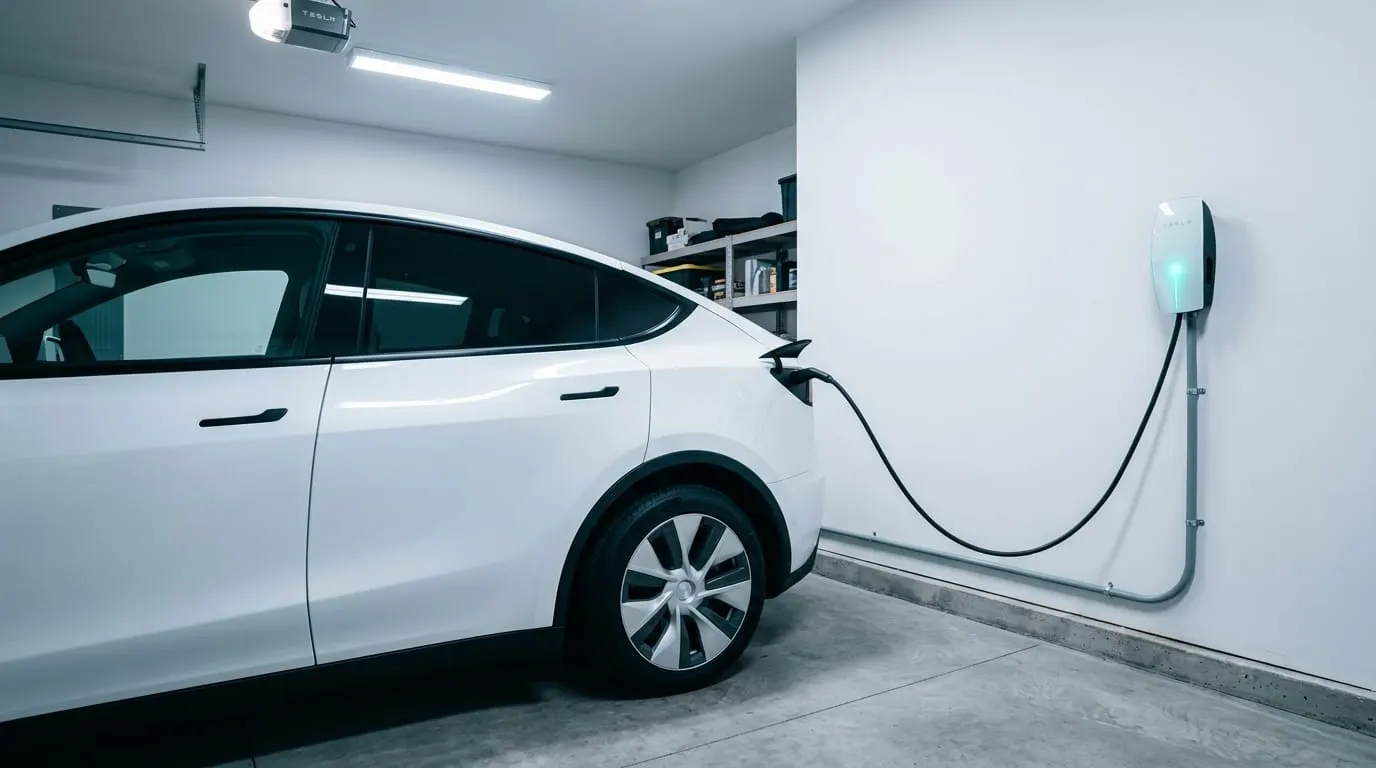
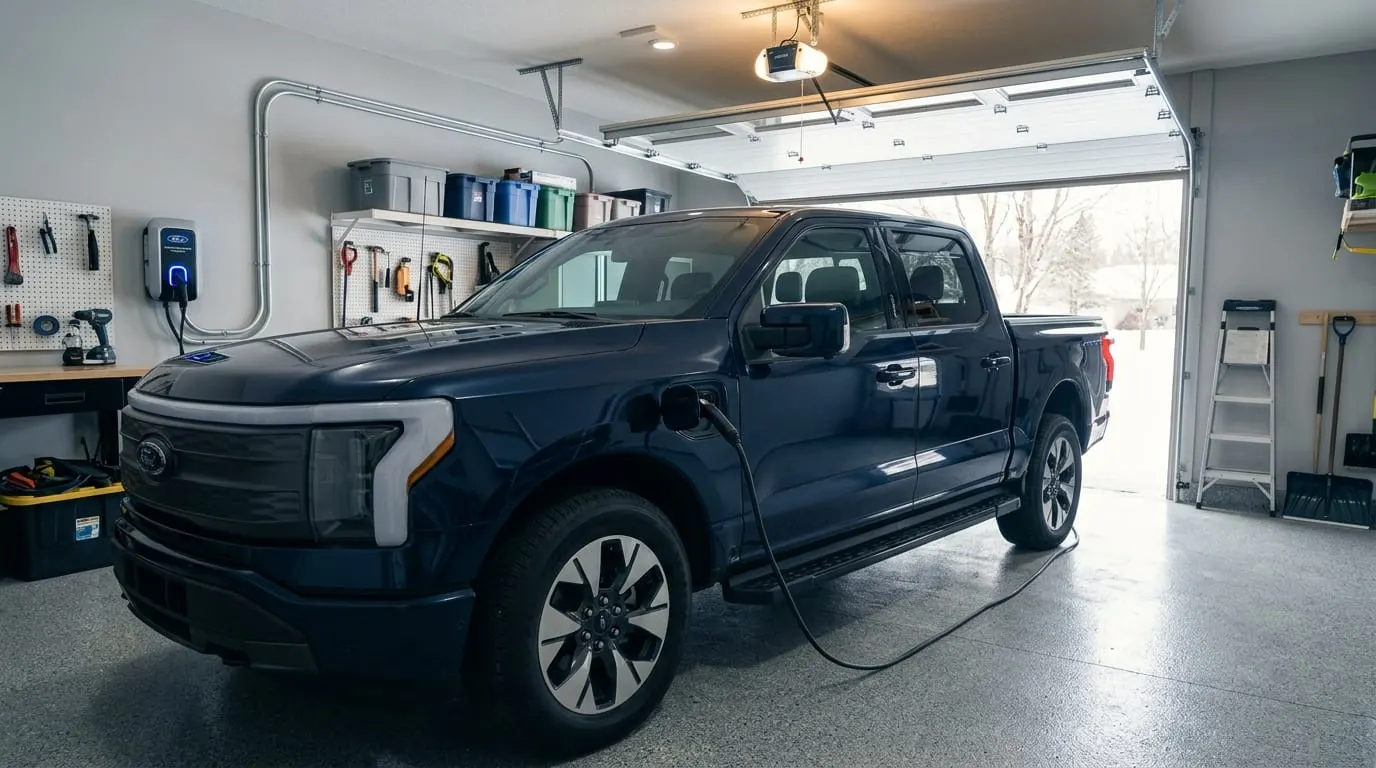
The cost-per-mile gap only materializes consistently when the car charges at home. A driver relying on public charging for most miles reduces the financial advantage significantly. A dedicated Level 2 home installation — with a permit, a 40–50 amp circuit, and a wall-mounted charger — is the infrastructure that locks in the home charging rate for the life of the vehicle.
- Home charging is where the 3× cost advantage lives — public charging narrows it.
- A Level 2 installation cost of $800–$1,500 typically pays back in fuel savings within 1–2 years for a primary vehicle.
- The payback accelerates if the household adds a second EV or switches from a higher-consumption gas vehicle.
Next step
Ready to plan your install?
Validate panel capacity, circuit path, and mounting location before installation day. Get a clear scope in writing.